Caserta
117 places
 History & archaeology
Reggia di Caserta
Caserta
Vanvitelli's grand staircase, then three kilometres of garden climbing all the way to the waterfall, among fountains and mythological statues designed to astonish the Bourbons.
 History & archaeology
Belvedere di San Leucio
Caserta
Ferdinando IV's silken utopia: a factory-village where silk was woven for the courts of Europe, with the looms and the workers' houses gathered around the belvedere.
 History & archaeology
Acquedotto Carolino / Ponti della Valle
Valle di Maddaloni
Vanvitelli's arches cross the valley on three stacked tiers, carrying water to the Reggia: an aqueduct-bridge that looks like a stretch of ancient Rome set among the mountains.
 History & archaeology
Mitreo
S. Maria Capua Vetere
Beneath the city you go down into a dark crypt where Mithras slits the bull's throat on a frescoed wall and the vault kindles with stars: one of the oldest mithraea in the West.
 ◆ Castles
Rocca Montis Dragonis
Mondragone
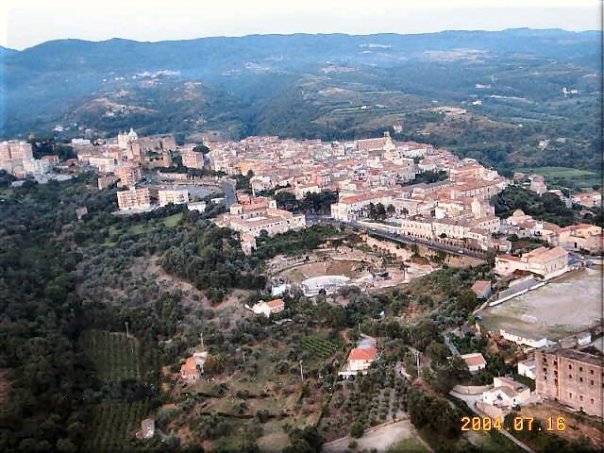
On Monte Petrino, a ruined medieval stronghold with square and round towers, from which the eye runs from Ischia to the headland of Circeo.
 ◆ History & archaeology
Sessa Aurunca (Ponte Ronaco, teatro, Settimana Santa)
Sessa Aurunca
The second Roman theatre of Campania, the Romanesque cathedral built from the stones of ancient temples, and the hooded rites of Settimana Santa (Holy Week): a city that lives on memory.
 ◆ History & archaeology
Teano (teatro romano)
Teano
One of the largest theatres in the Roman world, its eighty-metre cavea held up by ramping vaults: Teanum Sidicinum stood where the Appia met the Casilina.
 ◆ Nature
Matese casertano: Letino (grotte del Cauto, lago, borgo), Gallo Matese, Fontegreca (Cipresseta), Prata Sannita, Lago Matese
Matese
High mountain lakes among the beech trees, the secret cypress grove of Fontegreca with its emerald pools, and the Grotte del Cauto, where the river of oblivion runs underground.
 ◆ Villages
Vairano Patenora
alto casertano
A medieval borgo (old village) shut inside turreted walls with only three gates, dominated by the Castello d'Avalos, and not far off the Cistercian abbey of the Ferrara with its frescoes.
 ◆ History & archaeology
Alife (mura romane e criptoportico)
Alife
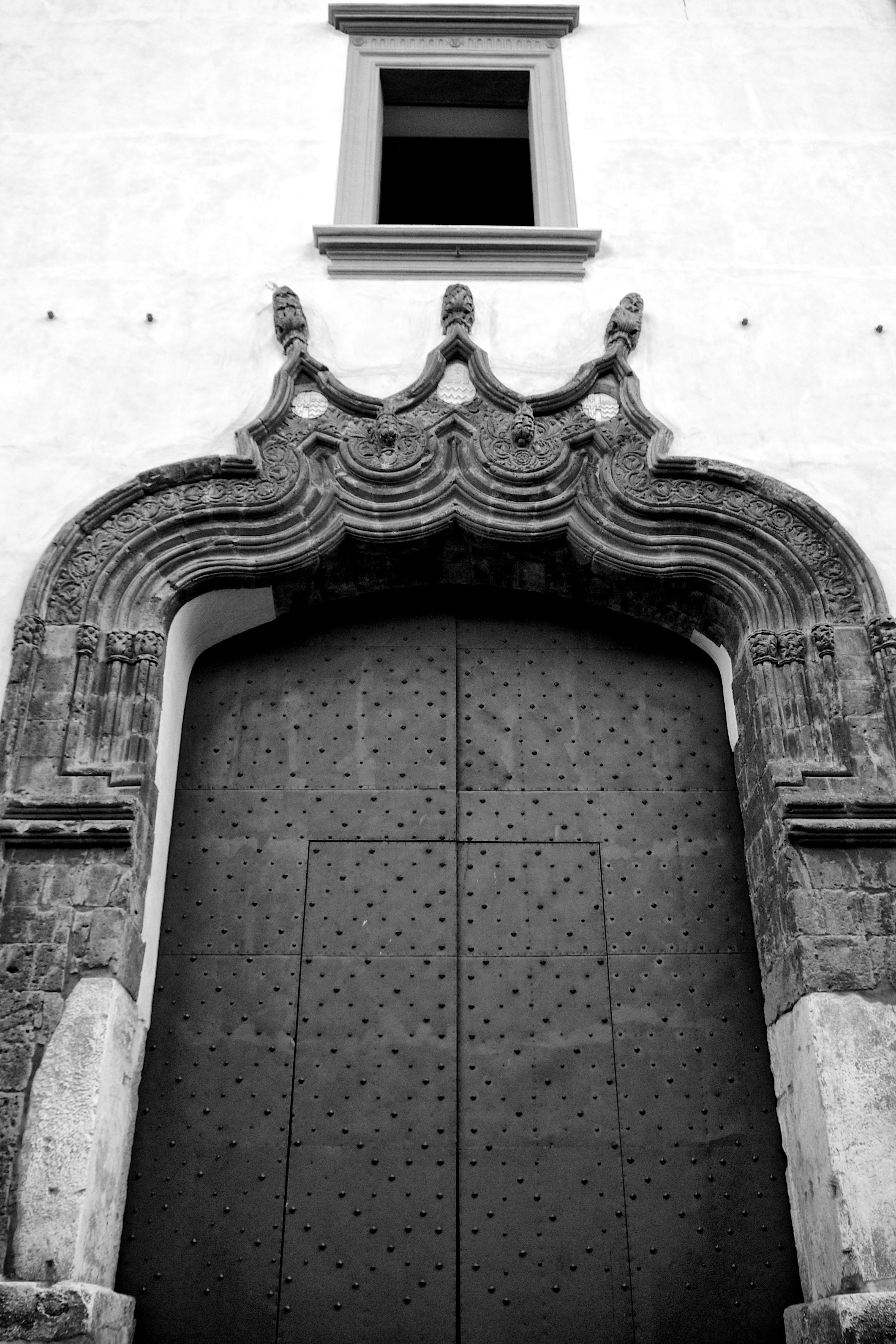
A perfect rectangle of Roman walls with evenly spaced towers and, underground, the U-shaped Augustan cryptoporticus: vaulted galleries guarding a mystery never solved.
 Museums
Museo Campano (Matres Matutae)
Capua (CE)
In Capua the Museo Campano lines up the Matres Matutae, dozens of tufo mothers seated with children in their laps: fertility deities worshipped here in ancient Capua.
 ◆ History & archaeology
Prata Sannita
Prata Sannita (CE)
Clinging to the rock above the river Lete, the medieval borgo (old village) of Prata Sannita gathers its houses around the castle of the Pandone: stone alleys and bridges in the silence of the Matese.
- History & archaeology
Reggia di Caserta — Collezione Terrae Motus
Caserta (CE)
In the halls of the Reggia di Caserta the Terrae Motus collection brings together the art born from the shock of the 1980 earthquake, from Warhol to Beuys, willed by the gallerist Lucio Amelio.
 ◆ History & archaeology
San Pietro Infine (Parco della Memoria)
San Pietro Infine (CE)
Left in ruins just as the 1943 battle reduced it, old San Pietro Infine is a memorial park where bullet-riddled walls recount the winter of the war.
 Nature
Lago del Matese
San Gregorio Matese (CE)
The highest karst lake in the Apennines rests among the peaks of the Matese, amid pastures, wild-roaming horses and mists that rise at sunset.
 History & archaeology
Anfiteatro Campano
Santa Maria Capua Vetere (CE)
Second in size only to the Colosseum, the arena where Spartacus trained still holds the underground corridors from which gladiators and beasts rose toward the light.
 Villages
Casertavecchia
Caserta (CE)
On the ridge of the Tifatini mountains, this intact medieval borgo (old village) hugs the Norman cathedral with its Arab-Sicilian geometries, stone alleys and the cool air rising from the plain of Caserta.
 ◆ Nature
Ciampate del Diavolo
Tora e Piccilli (CE)
On the flank of the Roccamonfina volcano, human footprints pressed into the ash three hundred and fifty thousand years ago: the peasants called them the devil's tracks, science counts them among the oldest in the world.
 Museums
Museo Archeologico dell'Antica Capua
Santa Maria Capua Vetere (CE)
A stone's throw from Spartacus's gladiator amphitheatre, the museum gathers the centuries of Etruscan and Roman Capua, from the statues of mothers to the Campanian horsemen.
 ◆ Museums
Museo Archeologico dell'Antica Allifae
Alife (CE)
From prehistory to Rome, the objects of the Matese peoples: a fourth-style fresco and black-and-white geometric mosaics torn from the domus of ancient Allifae.
 Castles
Castello di Casertavecchia
Caserta (CE)
In the medieval borgo (old village) of Casertavecchia stand the ruins of the castle and its cylindrical tower, overlooking the plain of Terra di Lavoro.
 ◆ Castles
Castello Aragonese di Aversa
Aversa (CE)
In Aversa, the first Norman county in Italy, the castle of Norman origin recalls the centuries when the city was the bridgehead of the conquest of the South.
 ◆ Castles
Castello di Sessa Aurunca (Ducale)
Sessa Aurunca (CE)
The ducal castle of Sessa Aurunca, born in the Lombard age on the ancient acropolis, today safeguards the mosaics and marbles that resurfaced from the city's Roman theatre.
 ◆ Villages
Roccamonfina
Roccamonfina (CE)
Nestled in the crater of an extinct volcano, Roccamonfina smells of chestnut groves and guards the Ciampate del Diavolo, ancient human footprints pressed into the volcanic rock.
 ◆ Sacred art
Santuario della Madonna dei Lattani
Roccamonfina (CE)
Among ancient chestnut groves, on the flank of an extinct volcano, the Franciscan convent founded by Saint Bernardino of Siena gathers the silence at eight hundred and fifty metres above Campania.
 ◆ History & archaeology
Antica Cales
Calvi Risorta (CE)
At Calvi Risorta rests Cales, the town that gave its name to a wine praised by the Romans, with amphitheatre, baths and a theatre immersed in the Caserta countryside.
 Sacred art
Abbazia di Sant'Angelo in Formis
Capua (CE)
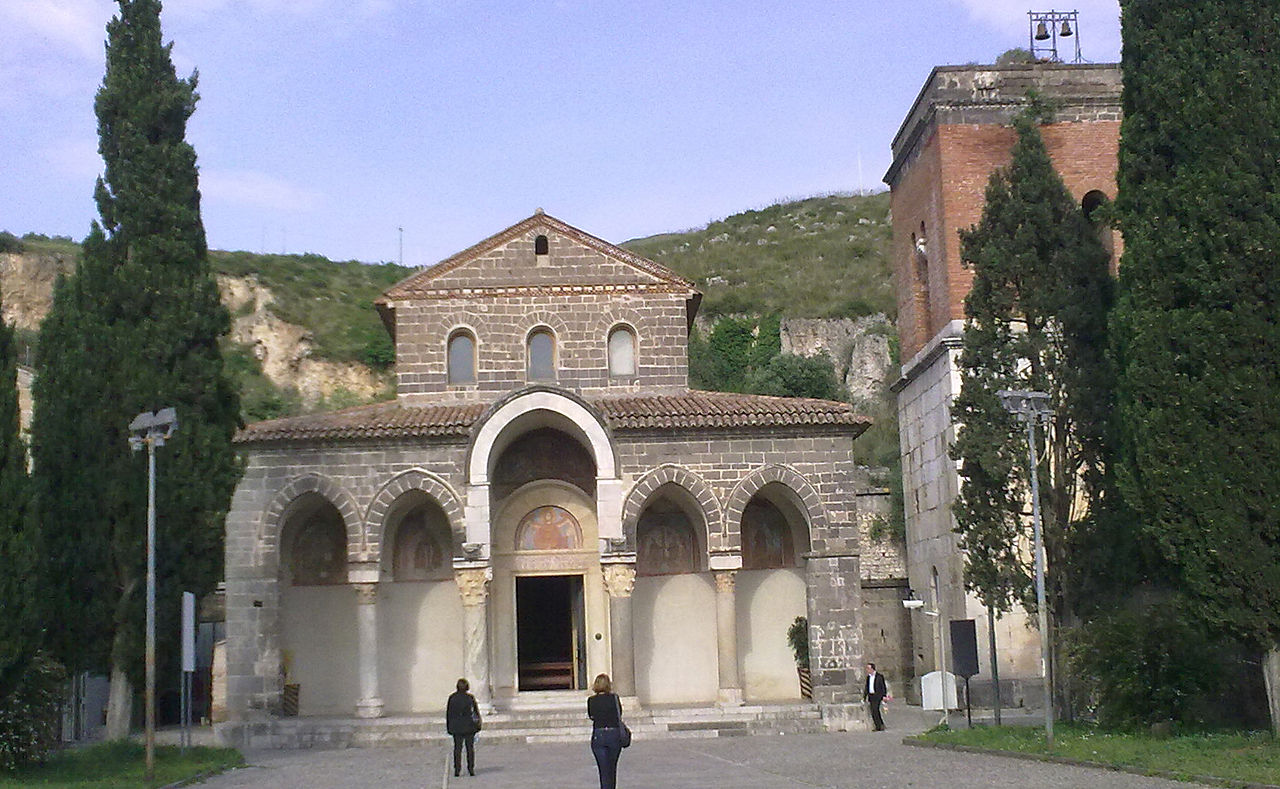
On the slopes of Monte Tifata, above an ancient temple of Diana, the basilica preserves cycles of medieval frescoes that cover the walls like a painted story.
 ◆ Nature
Oasi WWF Bosco di San Silvestro
Caserta (CE)
A former Bourbon hunting reserve behind the Reggia, today a protected wood where holm oaks and oaks climb two hills and silence has replaced the royal hunts.
- History & archaeology
Acquedotto Carolino
Valle di Maddaloni (CE)
Vanvitelli's Ponti della Valle cross the gorge on three tiers of arches, carrying water to the Reggia in a feat of engineering that became landscape.
 Castles
Castello di Gioia Sannitica (Gioia Vecchia)
Gioia Sannitica (CE)
One of the best-preserved fortified villages in Campania, because after it was abandoned in the 1300s nobody ever lived there again. The wood reaches right up to the gate, and legend has it the janare (Benevento witches) gathered within these walls.
 Museums
MUCIRAMA — Museo Civico Raffaele Marrocco
Piedimonte Matese (CE)
In the former convent of San Tommaso d'Aquino sleep the Runner and the Zeus of Cila: Samnite bronzes pulled out of the mountain just above. A free museum nobody expects in a mountain town.
- Nature
Lago di Letino
Letino (CE)
A green-turquoise mirror shut in among the mountains, born of a dam and by now indistinguishable from a real lake. On misty mornings the Matese looks at itself in it and disappears.
 ◆ Nature
Lago di Gallo Matese
Gallo Matese (CE)
Nineteen million cubic metres dug out in the Sixties to keep the turbines turning, and today an almost Nordic silence. Herons stop here, and storks, and now and then the pink flamingos.
 ◆ History & archaeology
Orto della Regina (mura megalitiche)
Roccamonfina (CE)
In the silence of a centuries-old chestnut wood appears a ring of cyclopean boulders 180 metres long, raised by the Aurunci or the Samnites: legend says princess Fina hid here, and the volcano still bears her name.
 ◆ Sacred art
Basilica di Santa Maria in Foro Claudio (l'Episcopio)
Carinola (CE)
Out in the fields, an Early Christian basilica with fourteen reused Roman columns and an apse where a Byzantine Madonna has been staring at you for a thousand years. On the walls, medieval peasants and craftsmen painted at work: the only portrait left of the people who lived here.
 History & archaeology
Ponte Real Ferdinando sul Garigliano
Sessa Aurunca (CE)
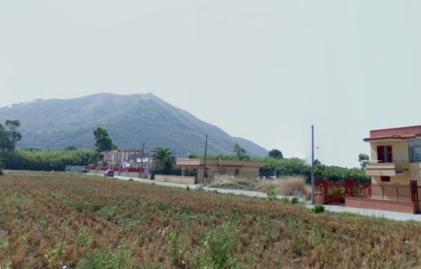
On 10 May 1832 the king climbed to the middle of the span and ordered two squadrons of lancers to trot across it, followed by sixteen artillery trains: Italy's first iron-chain suspension bridge had to prove it was not afraid. It is still there, with its cast-iron sphinxes.
 ◆ History & archaeology
Villa romana di Punta San Limato
Cellole (CE)
A Roman seaside villa swallowed up by a nineteenth-century masseria (fortified farm): in the frigidarium there is still a black-and-white mosaic of sea creatures, a few metres from the real waves.
 ◆ Nature
Riserva Naturale Statale di Castelvolturno
Castel Volturno (CE)
Behind the Domitiana, 268 hectares of pine forest fray into scrubland all the way to the last surviving dunes of the coast, where wild orchids bloom in spring. The green other side of a shoreline everyone imagines as nothing but concrete.
 ◆ Museums
Museo Archeologico Biagio Greco
Mondragone (CE)
A small provincial museum guarding the fragments of the ager Falernus: votive terracottas, grave goods, the remains brought back up from Sinuessa, the Roman city that today sleeps beneath the sand and the sea.
 History & archaeology
Ex centrale nucleare del Garigliano
Sessa Aurunca (CE)
The white sphere of the reactor appears out of nowhere among the fields of the Garigliano: one of Italy's first nuclear power stations, switched on in 1964, shut down in 1982, and today being dismantled piece by piece. A fossil of a future that never arrived.
 Free beaches
Spiaggia e pineta di Baia Domizia nord
Cellole (CE)
Dark volcanic sand, a pine wood that comes almost down to the water and, to the north, the mouth of the Garigliano: right there, a thousand years ago, the Saracens planted their Italian stronghold, until in 915 a Christian league wiped them out after a three-month siege.
 ◆ Castles
Torre Normanna di Roccaromana
Roccaromana (CE)
An eighteen-metre cylinder of limestone, planted on Monte Castello since 1100: from up there the eye runs forty kilometres over the whole Volturno. Beside it, a chapel of 1190 guards frescoes that emerged from under the plaster only in 2016.
 ◆ Sacred art
Basilica di Santa Maria di Cubulteria
Alvignano (CE)
Built between the 8th and 9th centuries, perhaps over a temple of the goddess Bona, it is the last surviving voice of Cubulteria: the Samnite city that dared to side with Hannibal, and that Rome first, then Saracen pirates, erased from the plain.
 ◆ History & archaeology
Mausoleo della Conocchia
Curti (CE)
A stone spindle sixteen metres high planted on the edge of the Appian Way, survivor of a city of the dead that today's traffic brushes past without seeing. Legend buries here Flavia Domitilla, the Christian matron exiled by Domitian.
 ◆ History & archaeology
Mausoleo delle Carceri Vecchie
San Prisco (CE)
For centuries the peasants swore that here, inside this brick drum on the Appia, the gladiators waited in chains for their turn in the arena. It was in fact an imperial tomb of the 1st century, and above the ancient entrance somebody built a chapel.
 ◆ History & archaeology
Arco di Adriano (Arco Campano)
Santa Maria Capua Vetere (CE)
Of three arches only two survive, mutilated, in the middle of a modern crossroads: this was the triumphal gate through which the Appia entered the second city of the empire. Today the brick piers stare at the traffic lights.
 ◆ Castles
Castello delle Pietre
Capua (CE)
The Norman keep of 1062 is made out of the Anfiteatro Campano: limestone blocks torn from the gladiators' tiers and reassembled into a fortress. Capua devoured itself in order to survive.
 ◆ Views & panoramas
Monte Castello di Castel Morrone
Castel Morrone (CE)
On 1 October 1860, while Garibaldi was gambling the Kingdom on the Volturno, three hundred men under Pilade Bronzetti held out up here against thousands of Bourbon troops until the major fell. Above the walls stand an abandoned sanctuary and a silence that still tastes of that day.
 ◆ Castles
Castello del Matinale
San Felice a Cancello (CE)
The stronghold of Tommaso d'Aquino guarding the mouth of the Suessola valley. Tradition tells of a tunnel dug to join it to the castle of Acerra: that, they say, is what brought the western flank down.
 ◆ Hiking
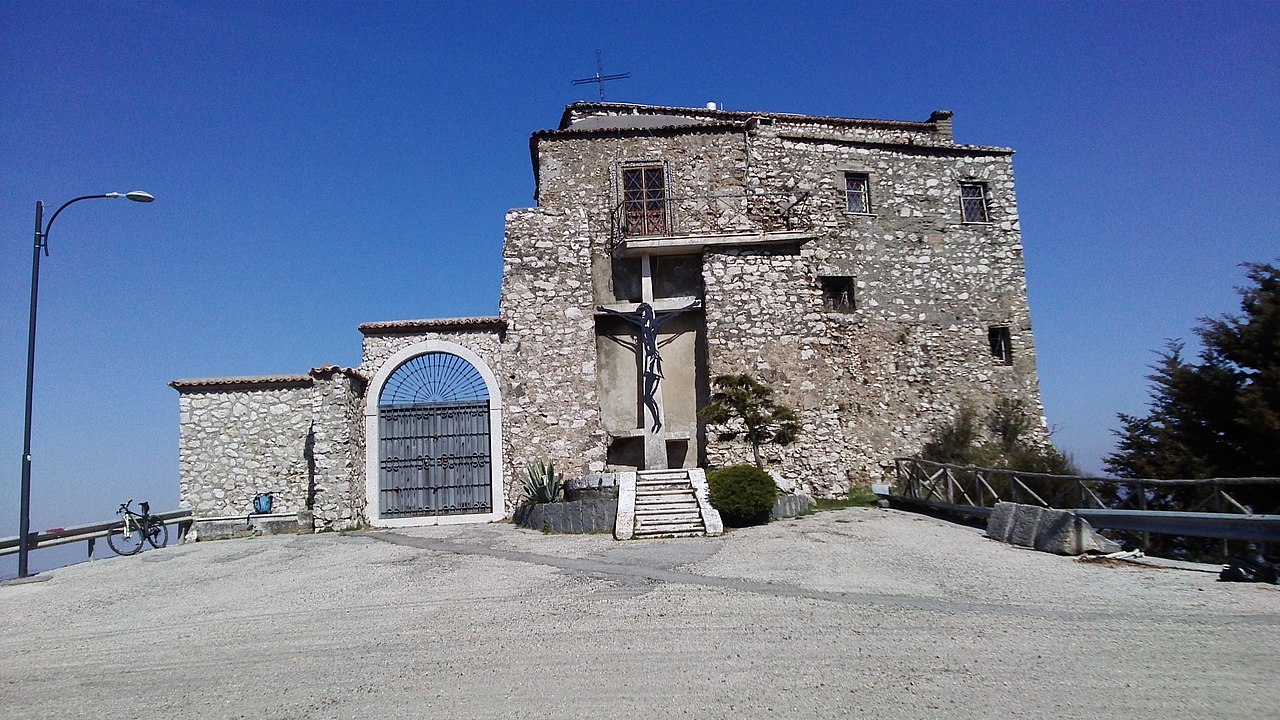
Eremo di San Michele Arcangelo a Palombara
San Felice a Cancello (CE)
A hermitage clinging to a spur of rock, founded — so they say — in 862 by the Lombard prince Landone after a victory over Naples. All around, opened tombs, walls of houses that are gone, and a spring that has never run dry.
 ◆ Castles
Castello-Santuario di Casaluce
Casaluce (CE)
A Norman fortress of 1060 that a count of the Del Balzo family turned into a monastery to guard an impossible relic: two alabaster water jars that tradition says are those of the wedding at Cana. Inside, 14th-century frescoes of the Giottesque school and a Neapolitan organ that still plays.
- ◆ Nature
Oasi dei Variconi
Castel Volturno
At the mouth of the Volturno, among brackish pools and wooden walkways, the hides spy on flamingos and herons in one of the most precious wetlands of the Tyrrhenian coast.
- ◆ Villages
Pietramelara
alto casertano
The village of the twelve towers below Monte Maggiore, entered through an arch frescoed with Christ and the Madonna, into a tangle of medieval stairways and alleys.
- ◆ Nature
Teatro-tempio di Monte San Nicola
Pietravairano (CE)
Atop Monte San Nicola, at five hundred metres, a Samnite theatre and temple overlook the valley: a forgotten sanctuary, spotted from above by a hang-glider.
- ◆ History & archaeology
Allifae romana
Alife (CE)
At Alife the Roman walls still gird the town almost intact: two kilometres of ramparts, corner towers and the grid of cardo and decumano still lying beneath today's streets.
- Sacred art
Aversa normanna
Aversa (CE)
First Norman county of the South, Aversa keeps in its centre a tangle of churches and bell towers: the medieval cathedral with its ambulatory marks the sacred heart of the city of the Normans.
- ◆ History & archaeology
Sacrario di Mignano Monte Lungo
Mignano (CE)
On the ridge of Monte Lungo rest the soldiers who fell in December 1943, when the Italian army returned to fight alongside the Allies: a stone memorial looking over the Gustav Line.
- ◆ Street art
Borgo dipinto di Valogno
Sessa Aurunca (CE)
A tiny hamlet of Sessa Aurunca amid the woods of Roccamonfina, Valogno answered depopulation with colour, painting the walls, vaults and balconies of its houses with dozens of works.
- ◆ Nature
Cascata di Conca (Rivo di Conca)
Conca della Campania (CE)
Along the millers' trail, among centuries-old chestnut trees, the Rivo di Conca plunges from a spur of rock and still feeds the echo of the old abandoned workshops.
- ◆ Nature
Cipresseta di Fontegreca
Fontegreca (CE)
A rare expanse of cypresses grown wild on the Matese mountains, where dark trunks mirror themselves in the cool pools of the Sava stream.
- ◆ Museums
Museo del Cane — Foof
Mondragone (CE)
Europe's first museum devoted entirely to the dog: between collars, art and a shelter for strays, it tells the ancient bond between man and his best friend.
- ◆ Castles
Castello di Prata Sannita
Prata Sannita (CE)
At Prata Sannita, along the waters of the Lete, the medieval castle lines up towers and battlements in the silent heart of the Matese.
- ◆ History & archaeology
Teatro-tempio di Pietravairano
Pietravairano (CE)
Atop Monte San Nicola, at over five hundred metres, a Roman theatre and temple fused into a single complex, rediscovered by chance from the air in the early 2000s.
- ◆ Volcanoes
Vulcano di Roccamonfina
Roccamonfina (CE)
An extinct volcano clothed in chestnut groves, where the crater has become a plateau and every trail smells of dark earth and ancient woods.
- ◆ Villages
Borgo di Caiazzo
Caiazzo (CE)
A medieval borgo (old village) overlooking the Volturno valley, among stone alleys and olive groves, where the gastronomic tradition, from conciato romano to pizza, has regained fame.
- ◆ History & archaeology
Teatro romano di Teanum Sidicinum
Teano (CE)
Among the olive trees re-emerges the cavea of the theatre of ancient Teanum Sidicinum, city of the Sidicini and then Roman, where the stone tiers still face the stage.
- ◆ In the water & diving
Terme di Sinuessa
Mondragone (CE)
At the foot of Monte Petrino flow the sulphurous waters the Romans called Aquae Sinuessanae, beside a city largely swallowed by the sea.
- ◆ Castles
Castello e borgo abbandonato di Rupecanina
Sant'Angelo d'Alife (CE)
A ghost village suspended on the cliff: 800 metres of walls, five towers and the empty houses of those who fled after the 1456 earthquake and never came back. The Norman Drengot ruled the whole Alife plain from here.
- ◆ Sacred art
Grotta-Eremo di San Michele Arcangelo (Sant'Angelo d'Alife)
Sant'Angelo d'Alife (CE)
Beneath the dead castle the mountain opens: a 60-metre gallery where the Lombards walled in an altar to the warrior Archangel. Darkness, dripping water, and a stone dome nobody expects down there.
- ◆ History & archaeology
Mura delle Fate (mura megalitiche)
Raviscanina (CE)
A hundred metres or so of cyclopean blocks fitted without mortar, which the people could explain only by crediting them to the fairies. The Samnites laid them twenty-five centuries ago, and the fairies took the credit.
- ◆ Sacred art
Chiesa rupestre e Grotta di San Michele di Curti
Gioia Sannitica (CE)
At 450 metres, under a natural arch draped in holm oaks, a Lombard rock shelter guards Byzantine frescoes that time had hidden under plaster. The altar is lit once a year, on 8 May.
- ◆ History & archaeology
Parco Archeologico di Monte Cila
Piedimonte Matese (CE)
Five semicircles of megalithic walls, seven kilometres in all, raised in the 7th century BC and then forgotten in the myrtle scrub. From up there the Samnites watched the same plain you are watching.
- Sacred art
Chiesa dell'Ave Gratia Plena
Piedimonte Matese (CE)
A Gothic jewel wedged into the old town, with the Sanframondo chapel and its fifteenth-century frescoes. You step through an anonymous door and find yourself in the Quattrocento.
- Nature
Valle del Torano: sorgenti e cascata del Malopasso
Castello del Matese (CE)
More than two cubic metres of water a second pour out of the belly of the Matese: one of the most powerful springs in the South. As you climb the gorge the walls close in, and you walk right inside the stream up to the waterfall.
- Nature
Cascate e gole del Lete
Prata Sannita (CE)
The river of oblivion carves a gorge of green pools and small waterfalls, among old mills, washhouses and the gutted walls of a paper mill. You follow it alongside the water, with the stone borgo (old village) hanging above your head.
- ◆ Castles
Torre Pandone e borgo di Valle Agricola
Valle Agricola (CE)
Four peaks, stone alleys and a Lombard tower with the Pandone coat of arms still set into the wall. This is where the transhumance climbs up from the Lete, and where you come back down with a pecorino cheese worth the trip.
- ◆ Villages
Borgo e castello di Ciorlano
Ciorlano (CE)
The smallest municipality in the province: an eleventh-century stronghold, a pentagonal tower, alleys where copper is still hammered. Not far off lies the Lievoco, a pool that boils from a breath coming out of the ground.
- ◆ History & archaeology
Fortificazione sannitica di Mandra Castellone
Capriati a Volturno (CE)
On Monte Gallo, a Samnite polygonal wall circuit of the 4th century BC, from which two long arms of masonry run down to the valley like pincers. From up here the Samnites shut the Volturno valley to anyone who wanted to pass.
- ◆ Sacred art
Grotta dei Santi
Calvi Risorta (CE)
In the tufo (volcanic tuff) belly above the Rio dei Lanzi, sixty life-size saints have been staring at you out of the dark for a thousand years. A rock-cut chapel frescoed from the 10th to the 13th century, a stone's throw from ancient Cales.
- ◆ Sacred art
Grotta delle Fornelle
Calvi Risorta (CE)
It was a Roman cistern, then it became a church and a cemetery carved into the tufo (volcanic tuff): on the far wall a monumental Ascension keeps watch over tombs hollowed out of the rock.
- History & archaeology
Taverna della Catena (l'incontro del 26 ottobre 1860)
Vairano Patenora (CE)
Here, at a dusty crossroads in front of an eighteenth-century tavern, the army's official war diary places the handshake that made Italy — while the schoolbooks go on calling it the meeting of Teano.
- ◆ Villages
Borgo abbandonato di Marzanello Vecchio
Vairano Patenora (CE)
A stone village born around the year 1000 and emptied out without anyone knowing why: what is left are walls devoured by brambles and the little church of San Nicola, still standing guard over a borgo (old village) of ghosts.
- ◆ Sacred art
Abbazia di Santa Maria della Ferrara
Vairano Patenora (CE)
The first Cistercian abbey of the Kingdom of Naples lies dying among the fields: under the broken vaults survives the fresco of the burial of Malgerio Sorel, and beside it the face of the hermit pope Celestino V.
- Castles
Castello di Riardo e borgo medievale
Riardo (CE)
A Lombard manor with its pentagonal tower dominates the Savone plain; below, the paved alleys climb in steps up to the walls, like a stairway towards the wind.
- Nature
Parco Sorgenti Ferrarelle
Riardo (CE)
One hundred and forty-five hectares above seven springs: here the water is born sparkling from the heart of the volcano, among oaks, the ruins of old taverns and an eighteenth-century masseria (fortified farm).
- ◆ History & archaeology
Ferriere borboniche del Savone
Teano (CE)
Along the Savone sleep the workshops where the Bourbons hammered the iron of Elba: arches, canals and wheels swallowed by brambles, the industrial archaeology that nobody ever comes to see.
- ◆ Sacred art
Eremo di Monte Atano
Roccamonfina (CE)
On a volcanic cone covered in chestnut trees stand the walls of a hermitage and a mute little chapel: a place of prayer that the wood is slowly taking back.
- ◆ Castles
Castello di Marzano Appio
Marzano Appio (CE)
A frontier castle suspended between the crater of Roccamonfina and the Volturno valley, where the wind still carries the echo of the Lombard sentries.
- ◆ Villages
Presenzano — borgo e ruderi del castello
Presenzano (CE)
Clinging to the hill above ancient Rufrae, the borgo (old village) looks down on the artificial lake and the plain of the Gustav Line; from the ruins of the Lombard castle the eye runs all the way to the Matese.
- ◆ History & archaeology
Grotta di Audie Murphy
Mignano Monte Lungo (CE)
In this cleft in the rock the most decorated soldier in America hid for two days, between German fire and hunger: he came out alive, and wrote a book about it. Today it is a cave with a name carved above it and a silence that weighs on you.
- ◆ Hiking
Monte La Difensa (massiccio del Monte Camino)
Rocca d'Evandro (CE)
The mountain the Devil's Brigade climbed by night, under the freezing rain of December 1943, to drop on the Germans from behind. On the ridges there remain shrapnel, gun positions and a view worth every drop of sweat.
- ◆ Hiking
Monte Sammucro
San Pietro Infine (CE)
From the summit you see at once the ghost village of San Pietro Infine, the Mignano gap and the valley leading to Cassino: the whole battlefield of the Gustav Line in a single glance, among dry-stone walls that once were trenches.
- ◆ Villages
Borgo medievale di Carinola
Carinola (CE)
A Gothic-Catalan borgo (old village) left almost intact and almost ignored: the bell tower with its dome of yellow and green majolica, the Renaissance loggia of Casa Novelli, and at the top the ruins of count Riccardo's castle.
- ◆ Sacred art
Convento di San Francesco a Casanova
Carinola (CE)
Tradition holds that Francis of Assisi himself stopped here, coming down the road that led to the sea. A silent cloister at the foot of Monte Massico, where time seems to have halted in the thirteenth century.
- ◆ History & archaeology
Ponte Ronaco (Ponte Auruncus)
Sessa Aurunca (CE)
Twenty-one Roman arches striding across an entire valley, 176 metres of viaduct built under Trajan. On the basalt paving you still walk on stones trodden two thousand years ago, among brambles and silence.
- ◆ History & archaeology
Villa romana di San Rocco
Francolise (CE)
The finest Roman villa-farm in Campania: oil and wine were pressed here for the ager Falernus as early as the 2nd century BC. Excavated by the British School at Rome, then all but forgotten.
- ◆ Nature
Riserva Naturale Lago di Falciano
Falciano del Massico (CE)
A sheet of water of volcanic origin at the foot of Monte Massico, ringed by reed beds that hide eighty-eight species of birds. At dawn, when the mist lifts, you could be a thousand kilometres from the Domitian coast.
- ◆ Hiking
Cima del Monte Massico
Mondragone (CE)
From the ridge that divides the Campanian plain from the Gulf of Gaeta, the eye reaches as far as Ischia. On these slopes, legend says, Bacchus disguised as a wayfarer asked old Falernus for hospitality, and to thank him made the vines grow that would yield the wine of emperors.
- ◆ History & archaeology
Trebula Balliensis — le mura poligonali
Pontelatone (CE)
A ring of cyclopean walls almost two kilometres long sleeps beneath the holm oaks, with a megalithic gate that looks made for giants. They call it the little Mycenae of the Terra di Lavoro, and almost nobody knows it exists.
- ◆ Villages
Borgo di Treglia
Pontelatone (CE)
Stone alleys clinging to the flank of the Trebulani mountains, where the modern village literally rests on the shoulders of a Samnite city.
- ◆ Villages
Borgo fantasma di Croce
Rocchetta e Croce (CE)
The houses are all still there, shutters half closed, but nobody lives inside any more: the inhabitants left one after another, with no earthquake and no war, simply tired of the mountain. What remains is the wind passing through the empty rooms.
- ◆ History & archaeology
Grotte delle Fate — santuario sannita di Monte Castellone
Pietramelara (CE)
Nine tunnels swallowed by the woods: a Samnite sanctuary of the 2nd century BC, razed to the ground by Sulla's soldiers. An eighteenth-century abbot called them hideous and frightful caves, where the people of Cales were said to have taken refuge during the Great Flood.
- Hiking
Vetta del Monte Maggiore (Pizzo San Salvatore)
Formicola (CE)
The roof of the Monti Trebulani: a thousand metres of limestone rising out of nowhere and handing you, in a single turn on your heels, the Volturno, the Matese, Vesuvius and, on clear days, the sea.
- ◆ Sacred art
Grotta di San Michele di Profeti
Liberi (CE)
Beneath a limestone wall over five hundred metres high opens a cave with two mouths, consecrated to the Archangel who defeats the dragon. Twice a year the procession climbs up from Profeti and carries the saint back into the darkness of the mountain.
- Villages
Le Campestre e il Conciato Romano
Castel di Sasso (CE)
In a stone house among the Trebulani mountains, inside terracotta amphorae, rests the oldest cheese in Italy: washed with the water the pasta was boiled in, rubbed with oil, wine and wild thyme, then forgotten in the dark for two years. This is not a lunch, it is a liturgy.
- ◆ Castles
Torre di Sasso e ruderi di San Biagio
Castel di Sasso (CE)
A stump of a tower and a roofless church, side by side, guarding a village that has almost ceased to exist. It is the kind of ruin you will find in no guidebook.
- History & archaeology
Ponte di Annibale e terme di Triflisco
Bellona (CE)
Here the Volturno narrows between the rocks, and memory says that Hannibal threw a bridge across to move his army over, the same army that loosed a herd of oxen with blazing horns against the Romans. Of the bridge only a few teeth of stone remain in the green water.
- ◆ History & archaeology
Cittadella sannita di Monte Santa Croce
Piana di Monte Verna (CE)
On the summit, behind a ring of Samnite walls, a Benedictine monastery has let itself fall stone by stone. Warriors and monks chose the same peak two thousand years apart, and the view explains why.
- ◆ Castles
Castello Ducale di Castel Campagnano
Castel Campagnano (CE)
From the courtyard you can go down in two directions: one way a cellar hand-dug into the tufo (volcanic tuff), finished in 1777; the other a rock-cut church dedicated to the Archangel.
- ◆ Sacred art
Sacello di Santa Matrona
San Prisco (CE)
At the end of the right aisle of an ordinary parish church you look up and the ceiling bursts into a sky of gold and lapis lazuli: 5th-century mosaics with Christ and the symbols of the Evangelists, among the oldest in Campania. Almost nobody knows they are there.
- ◆ Sacred art
Chiesa di San Michele a Corte e cripta longobarda
Capua (CE)
Palatine chapel of the Lombard princes, 10th century: you enter beneath a triple window of palm-leaf capitals and go down into a crypt that turns around a single squat column, where frescoes that resurfaced only in 1876 still survive.
- Hiking
Monte Tifata e i ruderi del santuario di Diana
San Prisco (CE)
The mountain sacred to Diana Tifatina, where the holm oaks of the sacred wood gave the mountain its name: you climb among ruins that the shepherds still call the temple of Jupiter, and from the summit cross the Capuan plain opens all the way to the sea.
- Sacred art
Mausoleo Ossario dei 54 Martiri di Bellona
Bellona (CE)
On 7 October 1943 the Germans picked 54 men inside the church and shot them on the edge of a tufo (volcanic tuff) quarry twenty-five metres deep, then brought the earth down over the bodies with hand grenades. At the bottom of the quarry, since 1945, a monument carries their names.
- ◆ History & archaeology
Cammarelle delle Fate (criptoportico romano)
Bellona (CE)
Twenty-two interconnected cisterns dug at the foot of the hill: the people, who could no longer read the stones, swore they were the chambers of the fairies. They were instead the belly of a Roman villa of the 2nd century BC.
- Museums
Museo Archeologico dell'Antica Calatia
Maddaloni (CE)
Inside a residence of the Carafa family sleeps the vanished city of Calatia: grave goods from the 8th century BC and an immersive room where the paving stones of the Appia light up beneath your feet as you walk towards Rome.
- Castles
Castello e Torre Artus di Maddaloni
Maddaloni (CE)
You climb from the old town by stairways and stone portals, past votive shrines wedged into the walls, up to the two Norman towers keeping watch over the plain. Below, cisterns dug into the dark.
- Museums
Museo Archeologico di Calatia
Maddaloni (CE)
In Maddaloni, the grave goods from the necropolises of ancient Calatia, a city along the Via Appia.