Porta Capuana
zona Garibaldi
Hidden gemHistory & archaeology

The story
Between two cylindrical towers an arch of white marble opens like a Renaissance triumph, the old city gate facing the road to Capua.
Access
exterior FREE
The story
Porta Capuana is one of the monumental gates of Naples, erected in 1484 at the will of Ferdinand I of Aragon to a design by Giuliano da Maiano. It takes its name from the direction of Capua, towards which the access from the east opened. It is one of the greatest examples of Renaissance architecture in the city.
What to see
A triumphal arch in white marble, richly carved, set between two mighty cylindrical piperno towers called Honour and Virtue. It rises next to Castel Capuano, at the end of the decumanus, in a square of strong working-class character.
Tips
The gate is in the open and is admired while strolling, next to Castel Capuano. You are in a working-class and lively area of the centre: combine it with the nearby Porta Nolana and its market. The marble arch deserves a close look at the bas-reliefs.
Frequently asked questions
When was Porta Capuana built?
In 1484, at the will of Ferdinand I of Aragon, to a design by Giuliano da Maiano.
Why is it called Porta Capuana?
Because it opened towards Capua, as the eastern access of the city.
What characterises Porta Capuana?
A finely carved Renaissance marble arch between two cylindrical piperno towers, called Honour and Virtue.
More gems in zona Garibaldi
 ◆ Castles
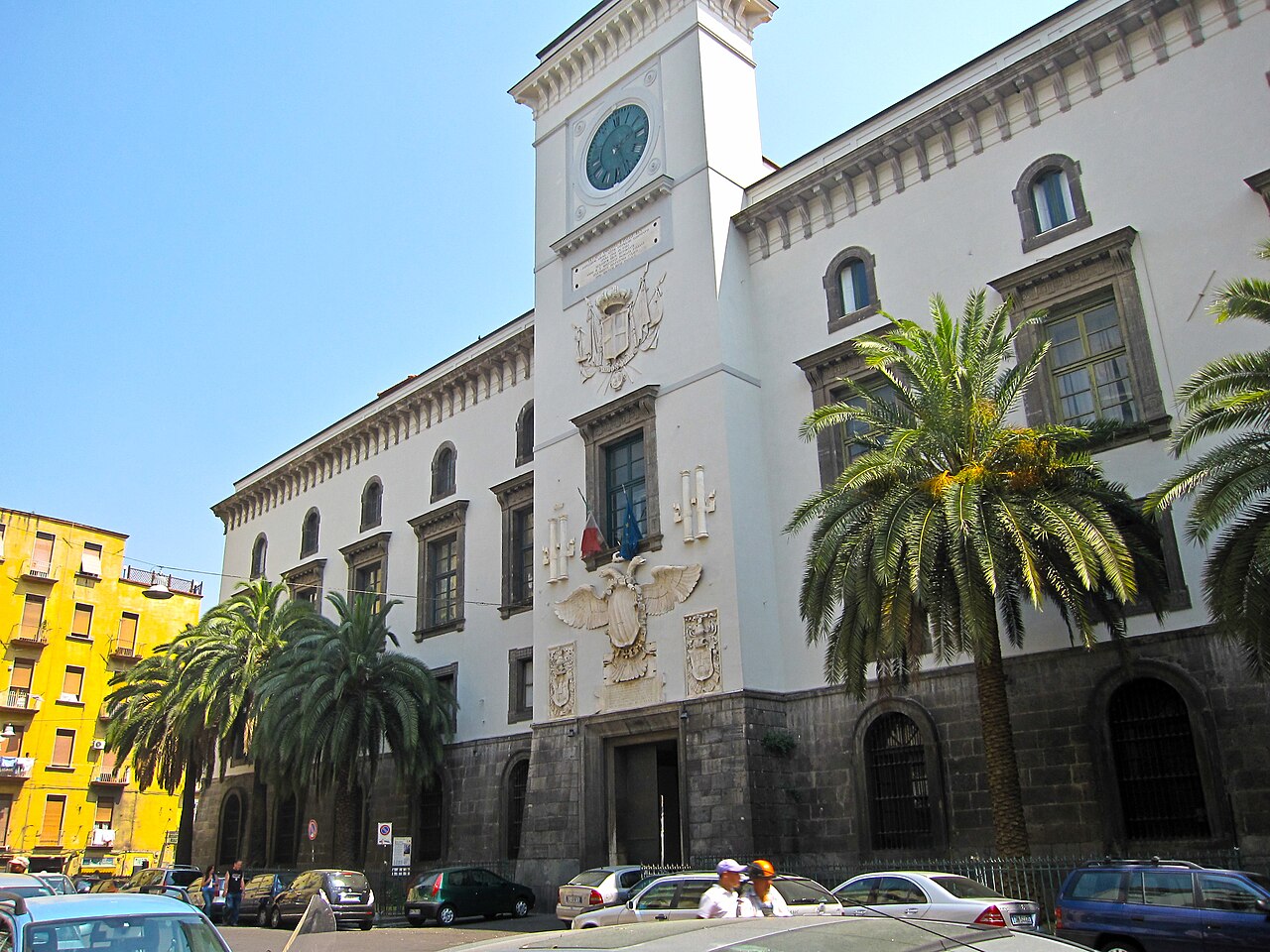
Castel Capuano
zona Garibaldi
An old Norman castle that for four centuries served as the courthouse of Naples: here justice held session in frescoed halls, in the shadow of nearby Porta Capuana.
- ◆ Villages
Mercato di Porta Nolana
zona Garibaldi
Beneath the Aragonese arch of Porta Nolana the fish market erupts with voices, crates of seawater and shellfish still alive: Naples at its most unvarnished.
More gems: History & archaeology
 History & archaeology
Statua del Nilo ("Corpo di Napoli")
Largo Corpo di Napoli
A river god reclining for centuries in a quiet square, whom Neapolitans call the Corpo di Napoli: he leans his bearded head among putti and a sphinx.
 ◆ History & archaeology
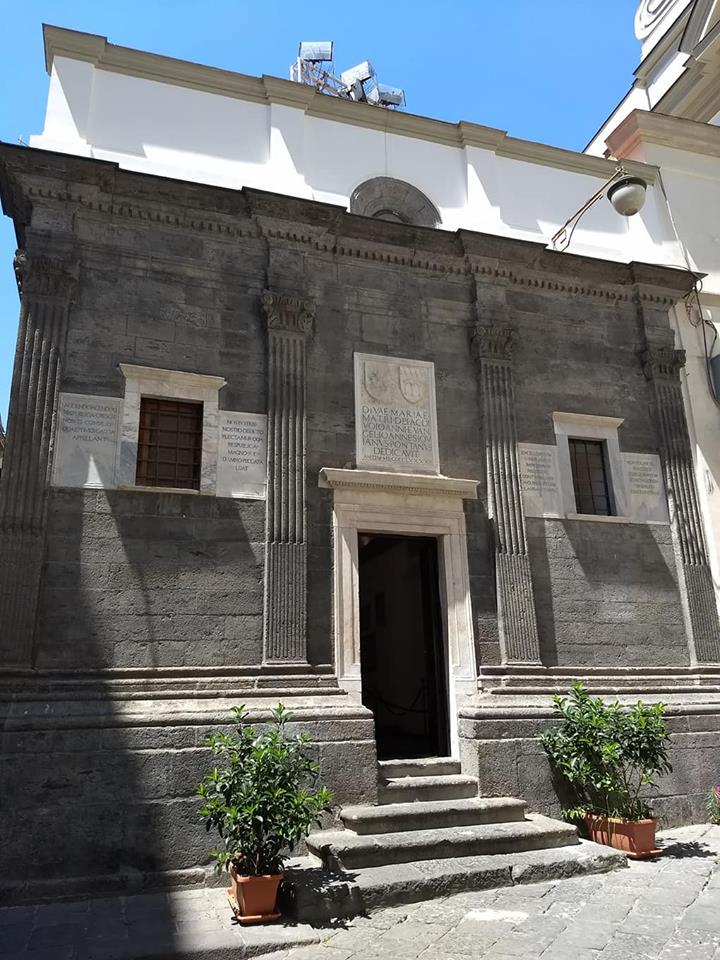
Cappella Pontano
Decumani
A small Renaissance temple on the decumanus, which the humanist Pontano had raised for his lost wife, still lined inside with Latin inscriptions dictated by his grief.
 ◆ History & archaeology
Sedile di Nilo
Decumani
On the corner of a small Spaccanapoli square survives the seat of the old Nilo quarter, where the nobles once gathered before the sedili of Naples vanished.
 ◆ History & archaeology
Port'Alba
Napoli
A seventeenth-century arch cut into the walls leads to the booksellers' street, where stalls of second-hand volumes pile up among yellowed pages and the shade of the old city.
 ◆ History & archaeology
Real Albergo dei Poveri
P.za Carlo III
An eighteenth-century colossus willed by Charles of Bourbon to shelter the poor of the Kingdom: a façade running more than three hundred metres, among the largest historic buildings in Europe.
 History & archaeology
Ipogei dei Cristallini
Sanità
Twelve metres below the Rione Sanità, Greek tombs of the 4th century BC with frescoes intact — Egyptian blues and trompe-l'oeil: Hellenistic Neapolis found again in a baron's garden.