Museo Civico e della Ceramica Cerretese
Cerreto Sannita (BN)
KnownMuseums

The story
The artistic ceramics that flourished after the 1688 earthquake, in the eighteenth-century halls of Palazzo Sant'Antonio: plates and maiolica of a tradition still alive in Cerreto.
The story
The Civic and Ceramic Museum of Cerreto, at Cerreto Sannita, tells of the art that made the town famous: ceramics. Established in 1993 to gather the most representative artefacts of a centuries-old tradition, previously scattered among private collections, it is today the reference point for getting to know this production.
What to see
The museum is divided into two sections: ancient ceramics, with Cerreto pieces of the seventeenth to nineteenth centuries, and contemporary ceramics, with the works donated by the artists of the ceramic art biennials held at Cerreto. It is the natural complement to a walk among the workshops of the village.
How to get there
- Car needed
Public transport. Il trasporto pubblico in quest'area interna è limitato: i collegamenti in autobus sono radi e non sempre giornalieri. In pratica il luogo è difficilmente raggiungibile senza un mezzo proprio; per eventuali autolinee e per la stazione ferroviaria utile più vicina, verifica su Unico Campania e sui canali ufficiali degli operatori regionali (AIR Campania). · fonte: Fallback onesto — area interna, routing transit non disponibile
Tips
Visit the museum together with the old centre of Cerreto Sannita and its craft workshops: you will understand why the town is synonymous with ceramics. Check hours and tickets on the official channels. You arrive by car, in the Telesina Valley.
Frequently asked questions
What can you see at the Ceramic Museum of Cerreto Sannita?
Ancient Cerreto ceramics (seventeenth–nineteenth centuries) and contemporary works donated by the artists of the ceramic art biennials of Cerreto.
When was the museum established?
It was established in 1993 to gather the most representative artefacts of the Cerreto ceramic tradition.
Where is the museum?
At Cerreto Sannita, in the province of Benevento, the town of ceramics.
More gems in Cerreto Sannita
 ◆ Villages
Cerreto Sannita
Cerreto Sannita (BN)
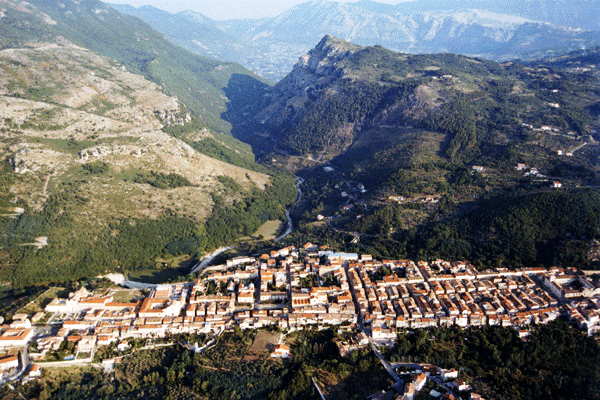
Razed by the earthquake of 1688 and rebuilt from a drawing board on a chessboard of straight streets, it lives on ceramics in whites and yellows that have been painted here for centuries.
 ◆ Villages
Cerreto Antica
Cerreto Sannita (BN)
On the hill lie the ruins of medieval Cerreto, broken in a single evening of 1688: walls and alleys brought back by excavation, a ghost town watching its heir down in the valley.
 ◆ History & archaeology
Ponte di Annibale sul Titerno
Cerreto Sannita (BN)
Thirteen metres of round-arched stone over which, they say, Carthaginian elephants passed. An iron elephant on the provincial road is the only hint that history walked through here.
More gems: Museums
 Museums
MANN — Museo Archeologico Nazionale
P.za Museo
One of the world's great archaeological museums: here the Toro Farnese, the mosaics of Pompeii and the Gabinetto Segreto tell the whole ancient Mediterranean in a single visit.
 ◆ Museums
Antiquarium
Boscoreale
The museum that tells of daily life at the foot of Vesuvius before the eruption, among carbonised loaves, farm tools and finds handed back by the ash.
 ◆ Museums
Museo dell'Osservatorio Vesuviano
Ercolano
The oldest volcanological observatory in the world, willed by the Bourbons in 1841, with historic instruments and mineral collections, looking out over the slopes of Vesuvius.
 ◆ Museums
Museo Correale
Sorrento
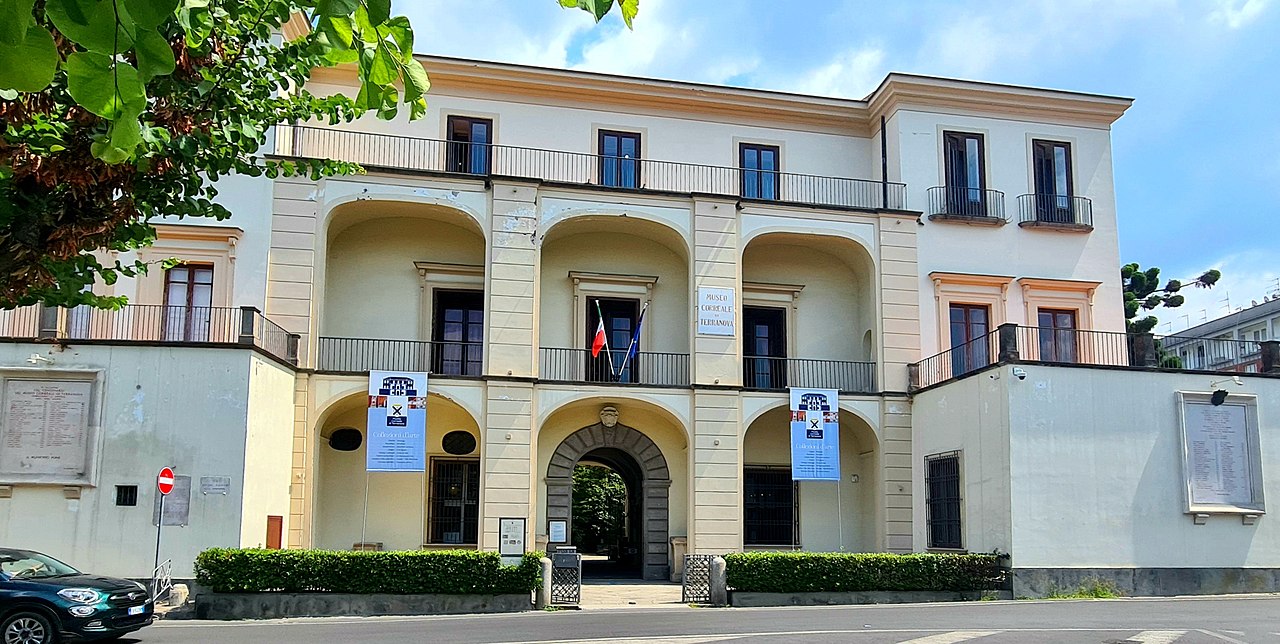
In the family villa of the Correale counts: porcelain, inlaid wood and eighteenth-century views of Naples, and a garden that runs down to a belvedere over the sea.
 Museums
Villa Lysis — Jago Museum Capri
Capri
A 1905 Art Nouveau villa by the poet Fersen, dedicated to love and sorrow; since June 2026 it houses the Jago Museum Capri, with Jago's sculptures in the historic rooms high above the sea.
- ◆ Museums
Ospedale delle Bambole
Napoli
Behind a shop window in Palazzo Marigliano a craftsman mends glass eyes, porcelain arms and dolls' curls, in a workshop born more than a century ago.