Real Bosco di Capodimonte
Napoli (NA)
Hidden gemNature
The story
The great historic park surrounding the palace-museum of Capodimonte: 130 hectares of avenues, clearings and woods where Neapolitans walk, run and get some air above the city. Free entry.
Access
FREE (public park); seasonal hours
The story
The Real Bosco di Capodimonte is the great park that Charles of Bourbon laid out around his palace, on the hill above Naples, in the mid-18th century: born as a hunting reserve and royal estate, it is today one of the city's most beloved historic urban parks. It covers about 130 hectares, with over four hundred plant species.
What to see
Long tree-lined avenues, clearings, fountains and old service buildings of the Bourbon court; from the higher points, the view opens onto the gulf. It is the green lung of Capodimonte, surrounding the museum of the same name (a separate visit).
How to get there
- Bus
Hours and prices
Free entry.
Parco pubblico a ingresso libero; orari stagionali, verifica sul sito del museo.
Tips
The park is public and free to enter, with hours that change by season: check the museum's official website. It is reached by bus from the centre. Combine it with a visit to the Museo di Capodimonte, which stands within it. Great for a walk or a run away from the traffic.
Frequently asked questions
Is the Real Bosco di Capodimonte free?
Yes, the park is public and free to enter; hours change by season. The Museo di Capodimonte, within it, has its own ticket instead.
What is there to see in the Real Bosco?
Tree-lined avenues, clearings, fountains and old buildings of the Bourbon court, with panoramic glimpses of the gulf; it is one of the great historic parks of Naples.
How do you get to the Real Bosco di Capodimonte?
By bus from the centre of Naples, on the Capodimonte hill; the park surrounds the museum of the same name.
More gems in Napoli
 Sacred art
Cappella Sansevero (Cristo Velato)
Napoli (NA)
Beneath a veil of marble that still seems to breathe, Sanmartino's Cristo Velato rests in the chapel's half-light, and the whiteness of the stone deceives every eye.
 Sacred art
Duomo di Napoli
Napoli
Three times a year the city holds its breath as the blood of San Gennaro waits to liquefy, among Gothic naves and the gold of the chapel devoted to him.
 Sacred art
Cappella del Tesoro di San Gennaro
Napoli
Behind a bronze gate lie silverware, gems and the jewel-studded mitre of the saint: a treasure heaped up over centuries by the devotion of Naples.
 Sacred art
Chiesa del Gesù Nuovo
Napoli
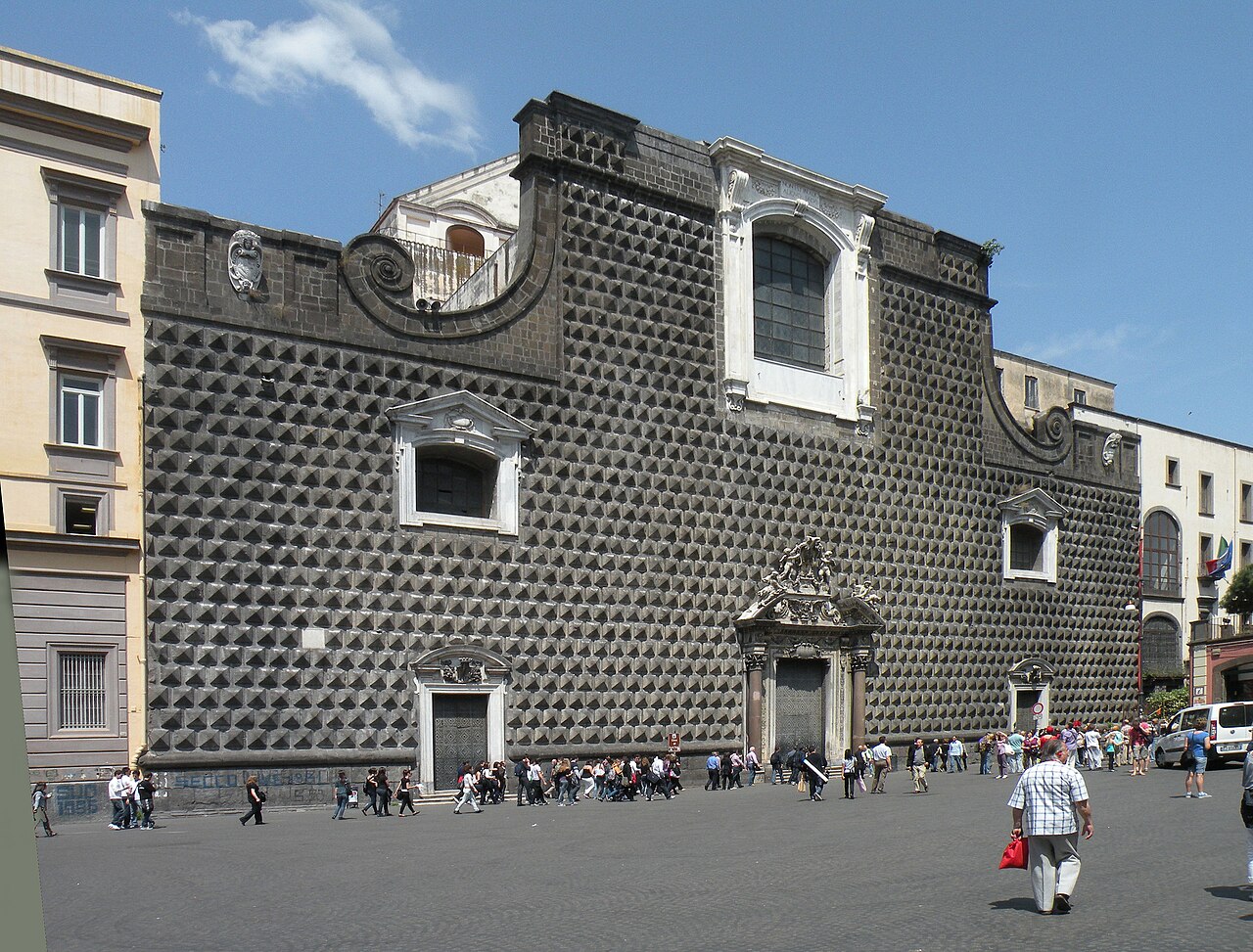
The facade of pyramid-cut piperno stone hides symbols carved into the blocks, while inside the Baroque bursts out in marble and in the memory of the physician Giuseppe Moscati.
 Sacred art
Chiostro di Santa Chiara
Napoli
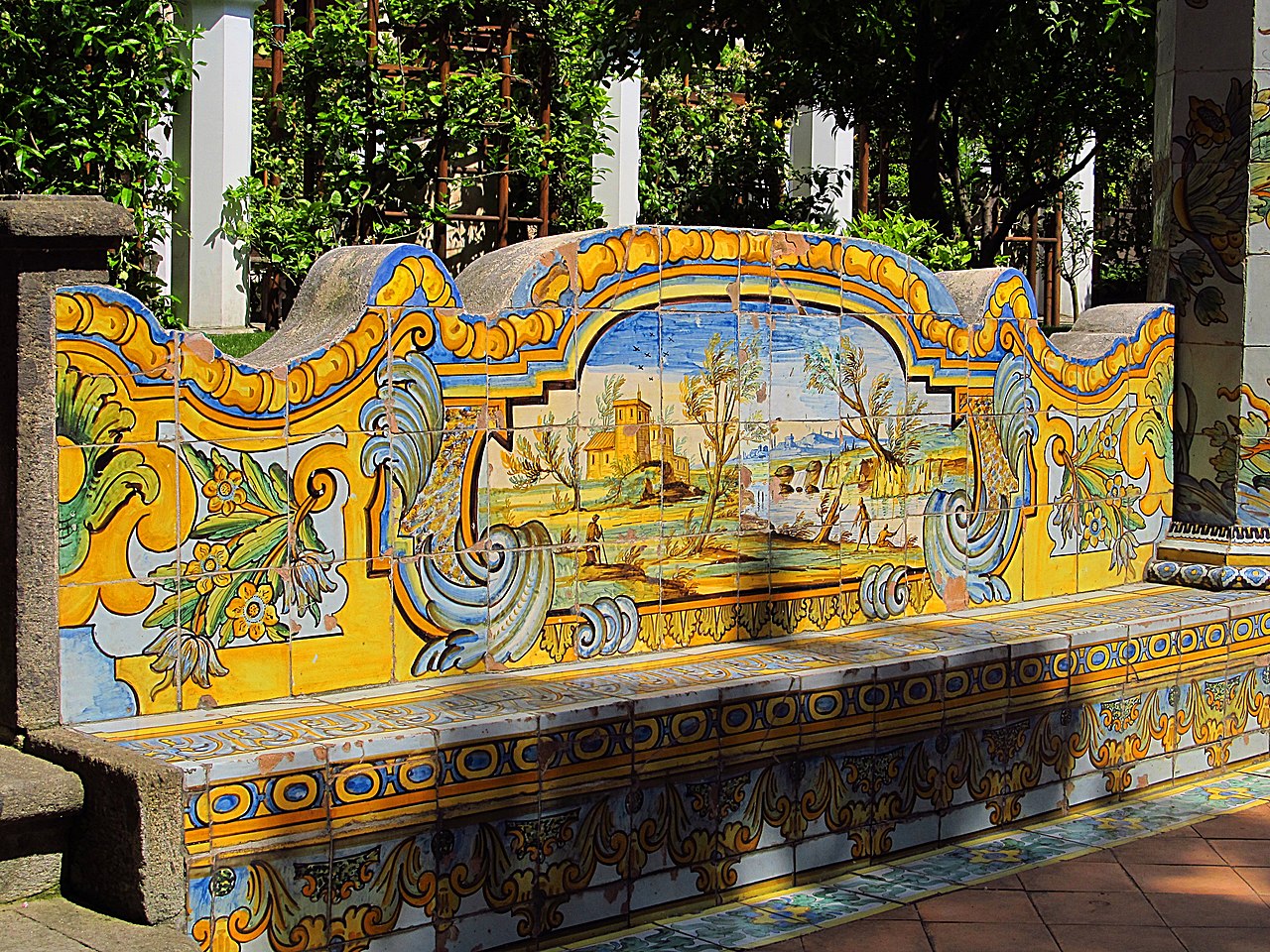
A garden of pillars clad in yellow and blue majolica, where lemon pergolas and eighteenth-century scenes painted on the tiles keep the noise of the city at bay.
 ◆ Sacred art
Chiesa di Santa Luciella ai Librai (teschio con le orecchie)
Napoli
In the crypt of a small church rediscovered in the maze of the Librai rests the skull with ears, which the faithful believed could listen to their prayers.
More gems: Nature
 ◆ Nature
Orto Botanico
via Foria
Founded in the Napoleonic age, the botanical garden on via Foria lines up glasshouses, palms and rare species across twelve hectares: a green breath a step away from the traffic.
 ◆ Nature
Pedamentina di San Martino
Vomero→centro
A fourteenth-century stairway dropping from the hill of San Martino down to the city: hundreds of steps through vegetable plots, gardens and glimpses of the bay — one of the finest urban paths in Naples.
 Nature
Villa Comunale
Riviera di Chiaia
The garden stretched out along the sea at Chiaia: avenues of holm oaks, benches and old statues, with the gulf breathing beyond the iron railing.
 Nature
Acquario Anton Dohrn
Riviera di Chiaia
The oldest aquarium in Europe, opened in 1874 inside the Villa Comunale: historic tanks inhabited only by the fauna of the Gulf of Naples, behind the glass.
 Nature
Solfatara
Pozzuoli
The ground breathes: hissing fumaroles, mud that boils up and a smell of sulphur reminding you how alive the earth is beneath the Campi Flegrei.
- ◆ Nature
Vigna di San Martino
collina S. Martino
One of the largest urban vineyards in Europe, worked by the Carthusians since the fourteenth century: seven hectares of vines, citrus and olive trees hanging over the bay, a step from the city's chaos.