Palazzo Penne — il patto col diavolo
Napoli (NA)
Hidden gemCastles

The story
Antonio Penne wanted his palace built in a single night, and asked the devil for it in exchange for his soul. Then he cheated him with an impossible clause. The quills carved on the façade since 1406 are still there as a reminder.
Access
CLOSED: restoration works in progress. Reopening announced but repeatedly postponed
The story
Palazzo Penne is one of the very rare Late Gothic palaces of Naples, built in 1406 by Antonio Penne, secretary of King Ladislaus of Durazzo, as the inscription on the portal recalls. Its rusticated façade, with Catalan and Tuscan elements, is tied to one of the most famous legends of the city: that of the pact with the devil.
What to see
The fifteenth-century piperno façade, with the portal and the diamond-point rustication, unique of its kind in Naples. Tradition has it that Penne had promised his soul to the devil so that he would build the palace in one night, only to trick him with a wager on the grains of wheat: a popular fable sewn onto these stones.
Tips
The palace, long abandoned, is the subject of a long restoration: visitability is tied to the state of the works and to any openings. Check on the official channels whether it is accessible before going. The façade is admired in any case from the outside. You are in the centre, towards Montesanto.
Frequently asked questions
What is Palazzo Penne?
A rare Late Gothic palace of 1406, built by Antonio Penne, secretary of King Ladislaus; famous for the rusticated façade and for the legend of the pact with the devil.
What is the legend of Palazzo Penne?
Tradition tells that Penne promised his soul to the devil so that he would build the palace in one night, then tricked him with a wager on the grains of wheat: it is a popular fable, not a fact.
Can you visit Palazzo Penne?
It is the subject of a long restoration: visitability depends on the state of the works; it is best to check on the official channels. From the outside the fine fifteenth-century façade remains visible in any case.
More gems in Napoli
 Sacred art
Cappella Sansevero (Cristo Velato)
Napoli (NA)
Beneath a veil of marble that still seems to breathe, Sanmartino's Cristo Velato rests in the chapel's half-light, and the whiteness of the stone deceives every eye.
 Sacred art
Duomo di Napoli
Napoli
Three times a year the city holds its breath as the blood of San Gennaro waits to liquefy, among Gothic naves and the gold of the chapel devoted to him.
 Sacred art
Cappella del Tesoro di San Gennaro
Napoli
Behind a bronze gate lie silverware, gems and the jewel-studded mitre of the saint: a treasure heaped up over centuries by the devotion of Naples.
 Sacred art
Chiesa del Gesù Nuovo
Napoli
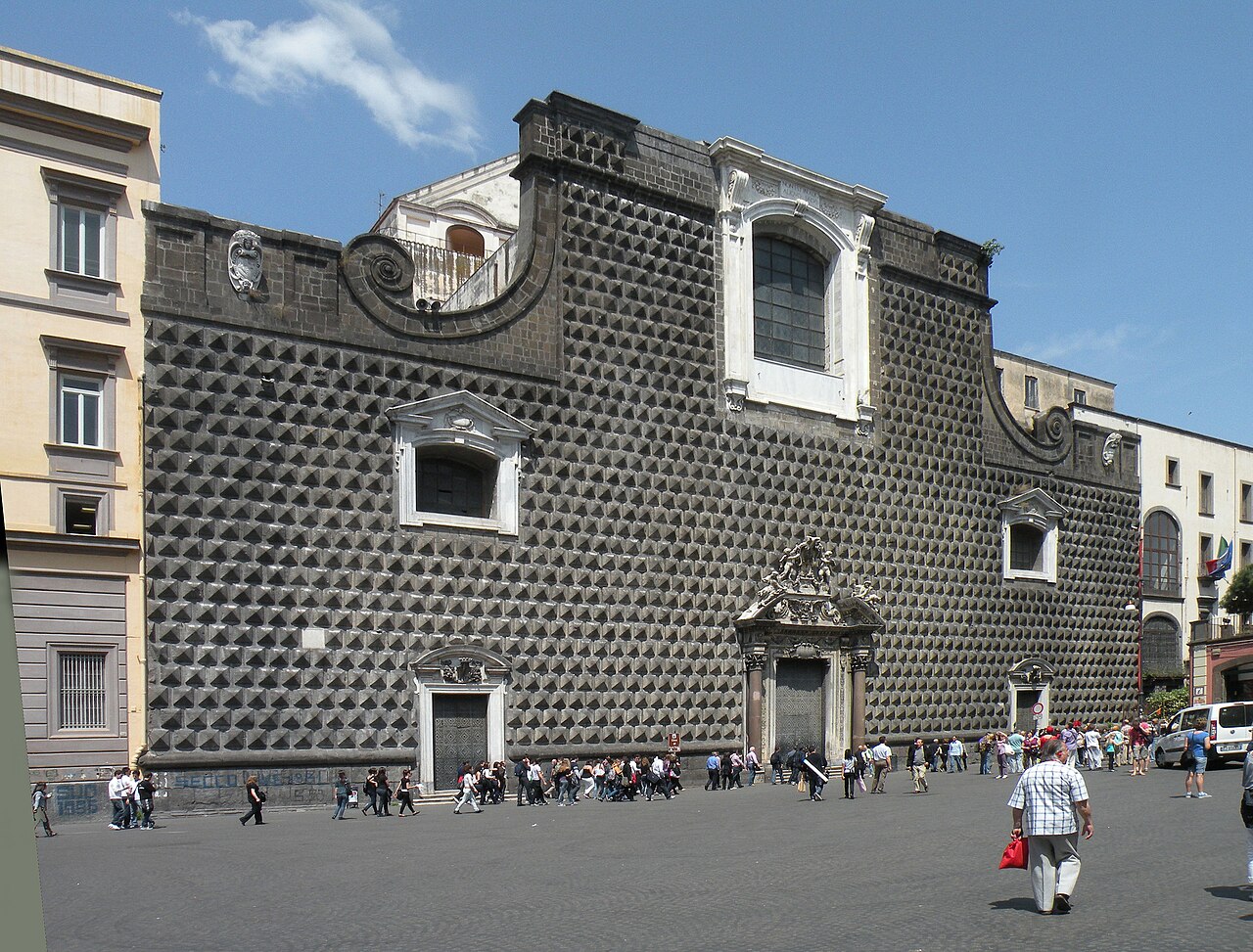
The facade of pyramid-cut piperno stone hides symbols carved into the blocks, while inside the Baroque bursts out in marble and in the memory of the physician Giuseppe Moscati.
 Sacred art
Chiostro di Santa Chiara
Napoli
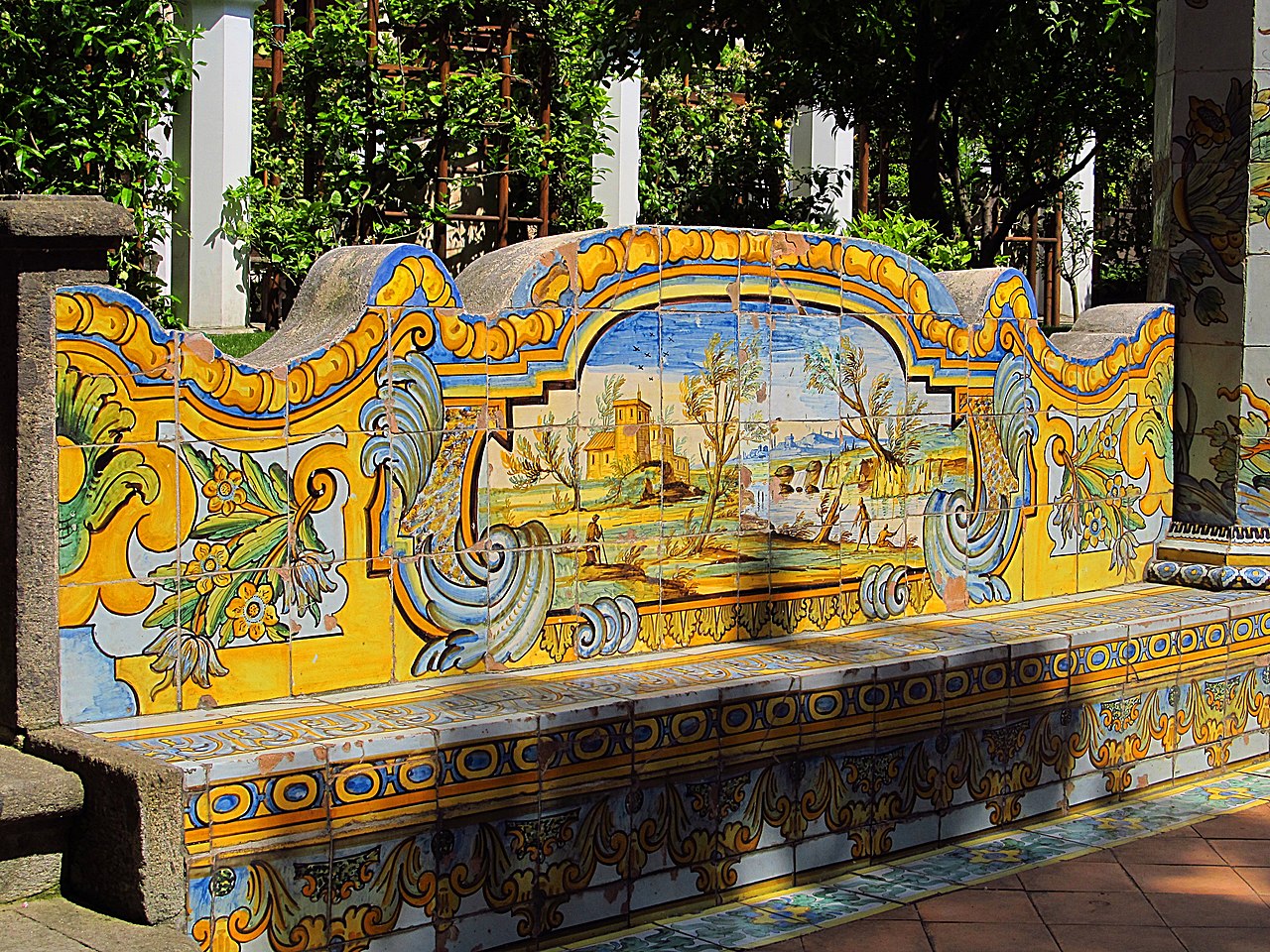
A garden of pillars clad in yellow and blue majolica, where lemon pergolas and eighteenth-century scenes painted on the tiles keep the noise of the city at bay.
 ◆ Sacred art
Chiesa di Santa Luciella ai Librai (teschio con le orecchie)
Napoli
In the crypt of a small church rediscovered in the maze of the Librai rests the skull with ears, which the faithful believed could listen to their prayers.
More gems: Castles
 ◆ Castles
Castel Capuano
zona Garibaldi
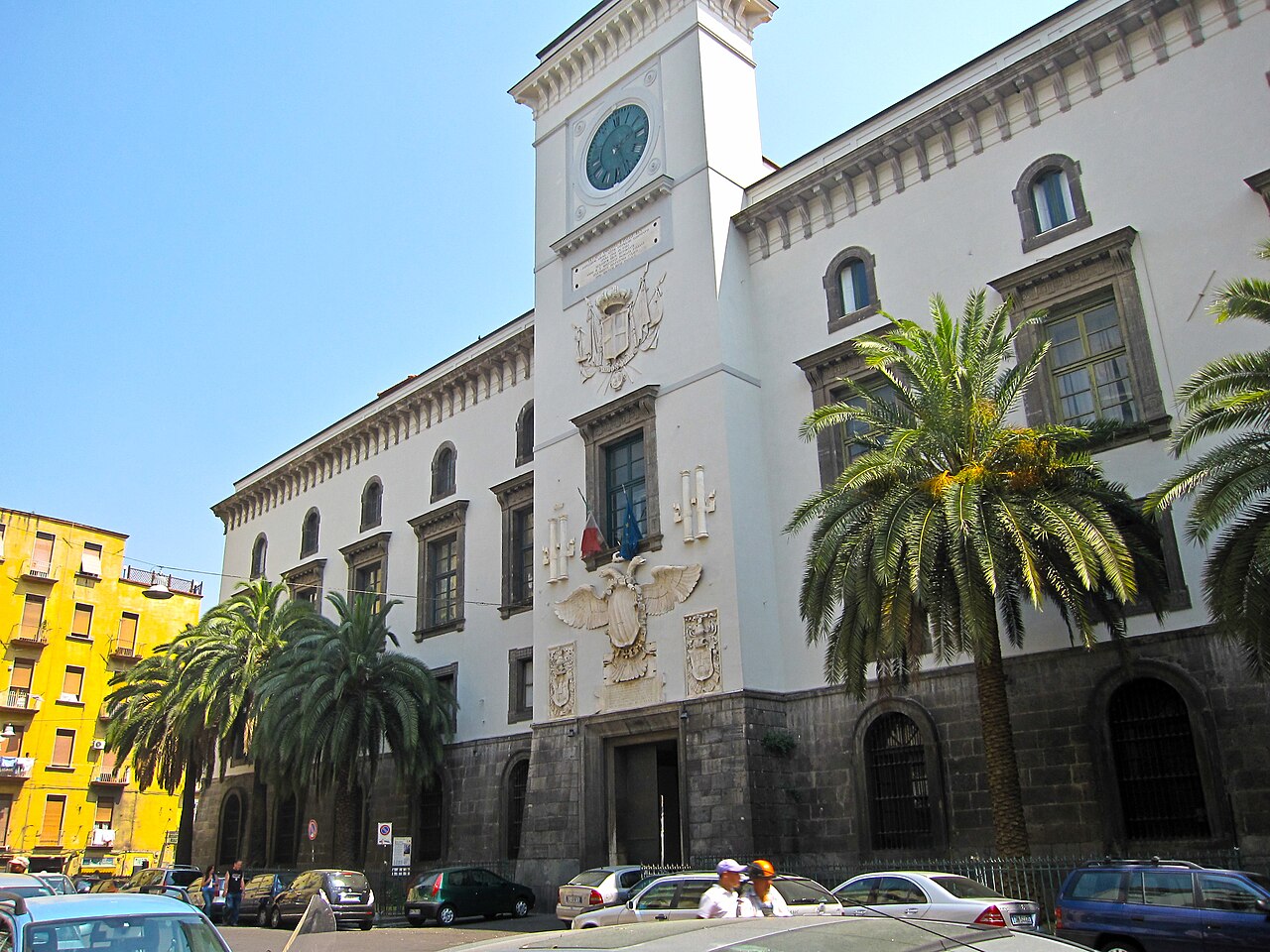
An old Norman castle that for four centuries served as the courthouse of Naples: here justice held session in frescoed halls, in the shadow of nearby Porta Capuana.
 ◆ Castles
Palazzo Donn'Anna
Posillipo
The unfinished seventeenth-century palace juts sheer over the water, dark and labyrinthine: through its empty rooms legend has the shadow of Donn'Anna still wandering.
 Castles
Casina Vanvitelliana
Lago Fusaro, Bacoli
An octagonal pavilion that seems to float on Lago Fusaro, a Bourbon hunting lodge reached by a little bridge, among reflections and morning mists.
 ◆ Castles
Palazzo d'Avalos (ex carcere)
Terra Murata
First the palace of the d'Avalos family, then a prison until the late twentieth century: the empty cells command Terra Murata, suspended between the memory of the inmates and the silence that lives there now.
 Castles
Castello Aragonese
Ischia Ponte
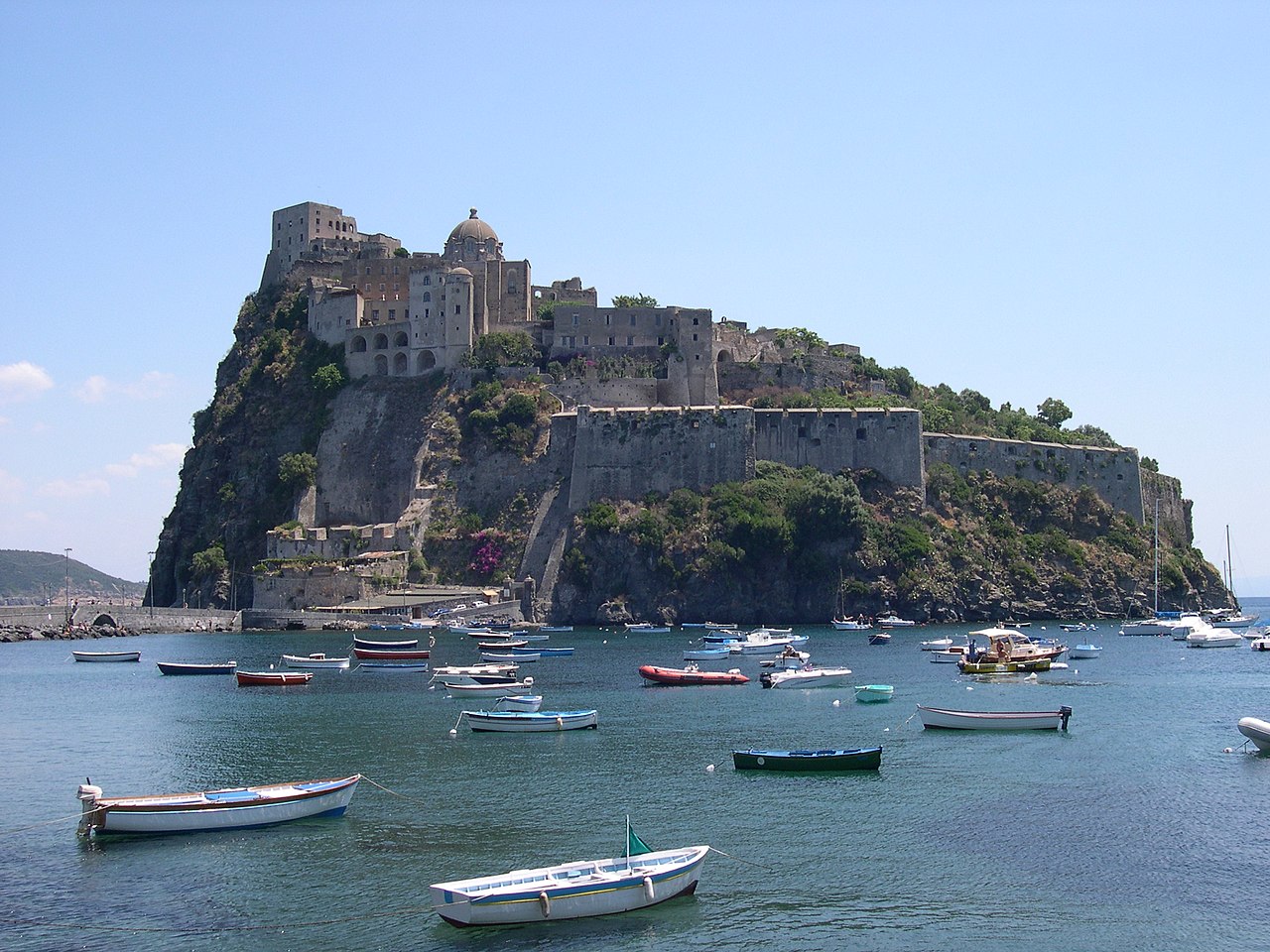
A fortress on a rocky islet tied to Ischia by a stone causeway, layered with millennia of history, the gaze ranging over the bay between walls, courtyards and gardens.
- ◆ Castles
Palazzo Sansevero
P.za San Domenico Maggiore
On the corner of piazza San Domenico the palace of the princes of Sangro still carries the echo of the night when Gesualdo surprised and killed Maria d'Avalos and her lover.